Dudhwa National Park – The Untamed Wilderness of Uttar Pradesh

Dudhwa National Park: A Complete Wildlife Guide

Dudhwa National Park is one of India’s most pristine wildlife destinations, located in the Terai region of Lakhimpur Kheri, Uttar Pradesh, near the Indo-Nepal border. Spread across vast grasslands, dense Sal forests, marshes, and wetlands, the park is a paradise for wildlife enthusiasts, nature photographers, bird watchers, and adventure travelers.

Established as a National Park in 1977, Dudhwa forms the core of the renowned Dudhwa Tiger Reserve, a protected landscape famous for its thriving population of Bengal Tigers, Indian Rhinoceros, Barasingha (Swamp Deer), Leopards, Asian Elephants, and over 450 species of birds.

Why Visit Dudhwa National Park?

Unlike many crowded wildlife destinations, Dudhwa offers an authentic jungle experience with untouched forests and rich biodiversity. The park is known for:

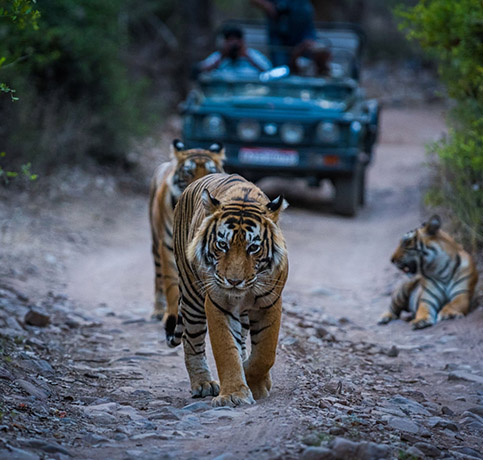
  • Royal Bengal Tiger sightings
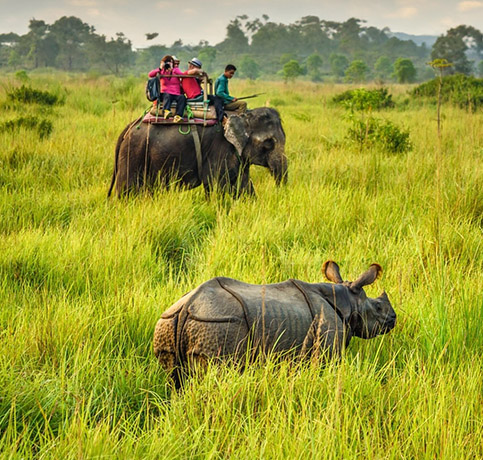
  • One-Horned Indian Rhinoceros conservation program
  • Largest population of Swamp Deer (Barasingha)
  • Rich birdlife with resident and migratory species
  • Dense Sal forests and grassland ecosystems
  • Exciting Jeep Safari experiences
  • Unique Tharu tribal culture and heritage

The combination of wildlife, natural beauty, and conservation success makes Dudhwa one of the most rewarding national parks in North India.

Wildlife in Dudhwa National Park

Mammals :- Dudhwa is home to an incredible variety of wildlife species, including:

Bengal Tiger, Indian Leopard, Indian Rhinoceros, Asian Elephant, Swamp Deer (Barasingha), Sambar Deer, Chital (Spotted Deer), Hog Deer, Sloth Bear, Wild Boar, Jackal, Fishing Cat, Jungle Cat.

The park’s unique habitat supports several endangered and rare species, making it one of India’s most important conservation landscapes.

Bird Watching Paradise

Bird lovers consider Dudhwa among the finest birding destinations in India. More than 450 bird species have been recorded, including:

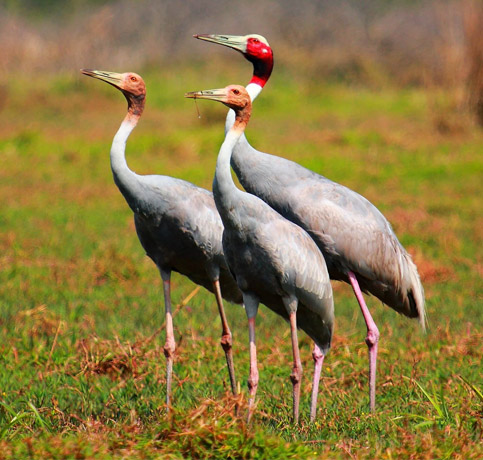
Sarus Crane, Bengal Florican, Hornbills, Painted Storks, Woodpeckers, Kingfishers, Eagles, Owls, Ducks and Geese, Vultures.

Winter months attract numerous migratory birds, creating exceptional opportunities for bird photography.


Flora of Dudhwa National Park

The park’s vegetation consists of:

  • Dense Sal Forests
  • Riverine Forests
  • Moist Deciduous Forests
  • Grasslands
  • Wetlands and Marshes

These diverse habitats support a rich ecosystem that sustains a wide range of wildlife species throughout the year.


Dudhwa Jeep Safari Experience

A Dudhwa Jeep Safari is the best way to explore the wilderness. Visitors travel through forest tracks, grasslands, and wildlife zones while accompanied by experienced guides and naturalists.

Safari Highlights

  • Tiger tracking opportunities
  • Rhino sightings
  • Bird photography tours
  • Scenic forest drives
  • Wildlife interpretation by experts

Safari routes cover major tourism zones, offering visitors excellent chances to observe wildlife in its natural habitat.


Best Time to Visit Dudhwa National Park

November to February

  • Pleasant weather
  • Excellent birdwatching
  • Ideal for family tours

March to May

  • Higher wildlife visibility
  • Better chances of tiger sightings
  • Popular among wildlife photographers

Monsoon Season

The park generally remains closed during the monsoon period due to heavy rainfall and conservation requirements.


How to Reach Dudhwa National Park

By Air :- The nearest major airport is Lucknow.

By Train :- Dudhwa and Palia Kalan are connected by railway networks.

By Road :- The park is well connected by highways and road transport from Lucknow, Bareilly, Delhi, and other major cities of North India.


Conservation Success Story

Dudhwa is recognized for successful conservation efforts involving:

  • Tiger protection
  • Rhino reintroduction programs
  • Swamp Deer conservation
  • Wetland ecosystem preservation
  • Community-based eco-tourism initiatives

These efforts have transformed Dudhwa into one of India’s most important wildlife conservation landscapes.

Dudhwa National Park / Dudhwa Tiger Reserve Tourist Zone

In order to promote tourism in the region, Dudhwa National Park has been divided into five different zones. These are the marked buffers or core areas of the park where visitors can be part of a wildlife safari and can enjoy the intriguing behavior of the animals with bare eyes in proximity.

Dudhwa Safari Zone:  Dudhwa Zone is a very popular tourist hub because of its abundant natural beauty and open grasslands. The nearest town is Palia Kalan.

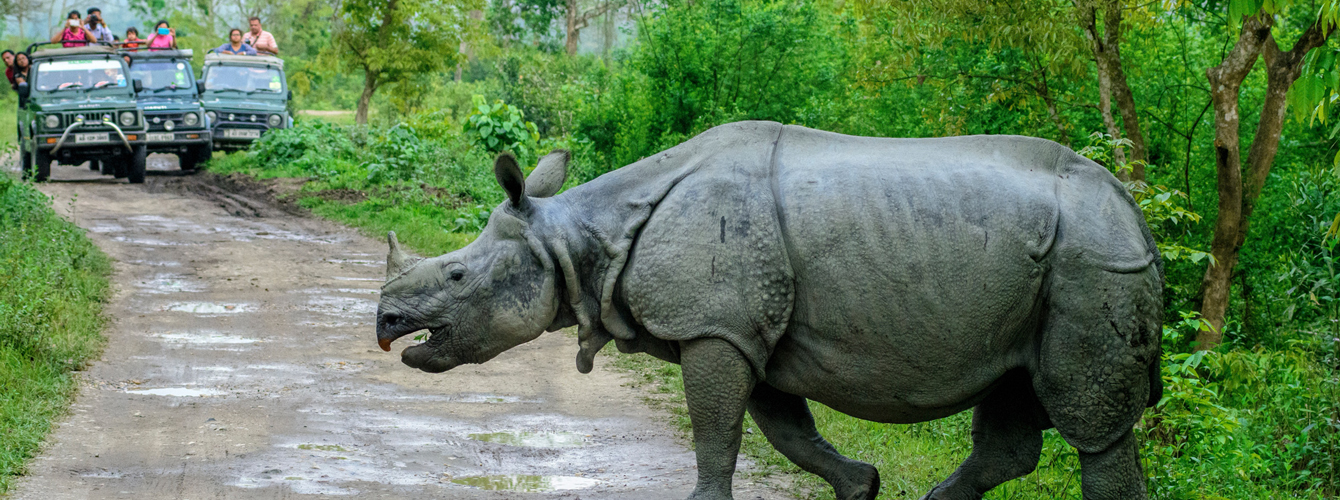
Sonaripur Safari Zone: Sonaripur is in Dudhwa and second gate of entry for tourists. Its area is famous for rhinos. It is the Rhino conservation part of the Dudhwa Tiger Reserve.

Kishanpur Safari Zone: Kishanpur is another important tourist zone in the Dudhwa National Park that is open for tourists around the same time as Duhdwa. The nearest town is Mailani.

Katarniaghat Safari Zone: Katarniaghat is famous for crocodiles, Dolphins, Boating, Tiger and wild grassland. It is another popular area.

Chuka Tiger Reserve: It is also known as a Pilihit Tiger Reserve, it is also part of Dudhwa Tiger Reserve. The nearest town area is Pilibhit.

Top Things to Do in Dudhwa National Park

Dudhwa National Park offers a unique and thrilling experience for nature and wildlife enthusiasts. This is not just a tourist destination but a place where you can connect with nature, appreciate biodiversity, and contribute to conservation efforts. It’s an opportunity to witness the untamed beauty of India’s wilderness.

Jeep Safari

Dudhwa Jeep Safari: Unleash the Wild. Witness tigers, rhinos, and more. An exhilarating journey awaits in Dudhwa Tiger Reserve, a haven for wildlife enthusiasts.

Bird Watching

Dudhwa Bird Watching: Avian Paradise. Explore diverse bird species in lush surroundings. A tranquil experience for bird enthusiasts awaits in Dudhwa National Park.

Elephant Ride

Dudhwa Elephant Safari: Majestic Journey. Traverse the jungle atop gentle giants, discover Dudhwa’s rich biodiversity in a unique and unforgettable way.

Book Safari at Dudhwa national park

safari booking

About Dudhwa National Park

Welcome to Dudhwa National Park (also known as Dudhwa Tiger Reserve), an enchanting wildlife destination nestled in the heart of India. Renowned for its rich biodiversity and stunning landscapes, Dudhwa offers a mesmerizing experience for nature lovers and wildlife enthusiasts alike. We will delve into the wonders of Dudhwa, sharing valuable information to make your visit memorable and rewarding. People also know the name of Dudhwa Tiger Reserve.

  1. Dudhwa, located in the lush Terai region of Uttar Pradesh, covers an extensive area of dense forests, grasslands, and wetlands. It was established in 1977 to protect the endangered Bengal tigers and other wildlife species. Spanning over 600 square kilometers, the park is an ideal habitat for a diverse range of flora and fauna.
  2. Flora and Fauna: Dudhwa’s rich biodiversity is a treat for wildlife enthusiasts. The park is home to a remarkable variety of flora, including sal, teak, and various other tree species. Among the diverse fauna, you can spot the majestic Bengal tiger, Indian rhinoceros, Asiatic elephant, spotted deer, swamp deer, and an array of avian species, including the elusive Bengal florican.
  3. Safari Experience: Embark on thrilling safaris through the wilderness of Dudhwa. Jeep Safari and elephant safaris are popular choices to explore the park’s hidden treasures. The morning and evening safaris offer the best chances to witness the captivating wildlife in action and capture the perfect photographs.
  4. Dudhwa’s Avian Paradise: Dudhwa is a paradise for birdwatchers, boasting over 450 species of birds. From migratory birds like the Siberian crane to resident species like the painted stork and Indian hornbill, the park is a haven for avian enthusiasts. Don’t forget to bring your binoculars and camera to capture the vibrant colors and melodious tunes of these feathered beauties.
  5. Best Time to Visit: The best time to visit Dudhwa is from November to June when the weather is pleasant, and wildlife sightings are more frequent. During the monsoon, the park remains closed due to heavy rainfall and the breeding season of animals.
  6. Accommodation Options: Dudhwa offers various accommodation options, including forest lodges and outside eco-resorts. Advance booking is recommended, especially during peak tourist seasons, to ensure a comfortable stay amidst the wilderness.
  7. Conservation Initiatives: Dudhwa National Park plays a vital role in wildlife conservation efforts. Various programs are undertaken to protect and preserve endangered species and their habitats. Visitors are encouraged to support these initiatives and follow eco-friendly practices during their stay.
  8. Pro Tips for Visitors:
  • Always follow the park’s rules and guidelines to ensure your safety and the protection of wildlife.
  • Carry essential items such as sunscreen, insect repellent, and a hat to shield yourself from the elements.
  • Maintain a respectful distance from animals and avoid making loud noises that might disturb them.
  • Hiring an experienced guide will enhance your wildlife spotting experience and provide valuable insights about the park.

Conclusion: Dudhwa National Park is a treasure trove of India’s wildlife heritage, offering an unforgettable adventure amidst pristine nature. Whether you are a wildlife enthusiast, nature lover, or photography enthusiast, Dudhwa has something special to offer. So, pack your bags and get ready to explore the wonders of Dudhwa, a true wildlife paradise in India.

Frequently Asked Questions (FAQs)

Is Dudhwa National Park famous for tigers?

Yes, Dudhwa Tiger Reserve is one of the important tiger habitats in North India.

Which animals are most commonly seen?

Barasingha, rhinos, elephants, deer species, leopards, and numerous bird species are frequently observed.

How many bird species are found in Dudhwa?

More than 450 species of birds have been recorded in the park.

Is jeep safari available in Dudhwa?

Yes, jeep safari is the primary wildlife exploration activity for visitors.

Why is Dudhwa National Park special?

Its unique Terai ecosystem, rhino population, tiger reserve status, and exceptional biodiversity make it one of India’s most significant wildlife destinations.


Conclusion

Dudhwa National Park offers an extraordinary blend of wildlife, wilderness, and conservation. Whether you are a wildlife photographer, bird enthusiast, nature lover, or adventure traveler, Dudhwa promises an unforgettable jungle experience. From majestic tigers and rare rhinos to endless grasslands and vibrant birdlife, every safari reveals a new chapter of India’s natural heritage.