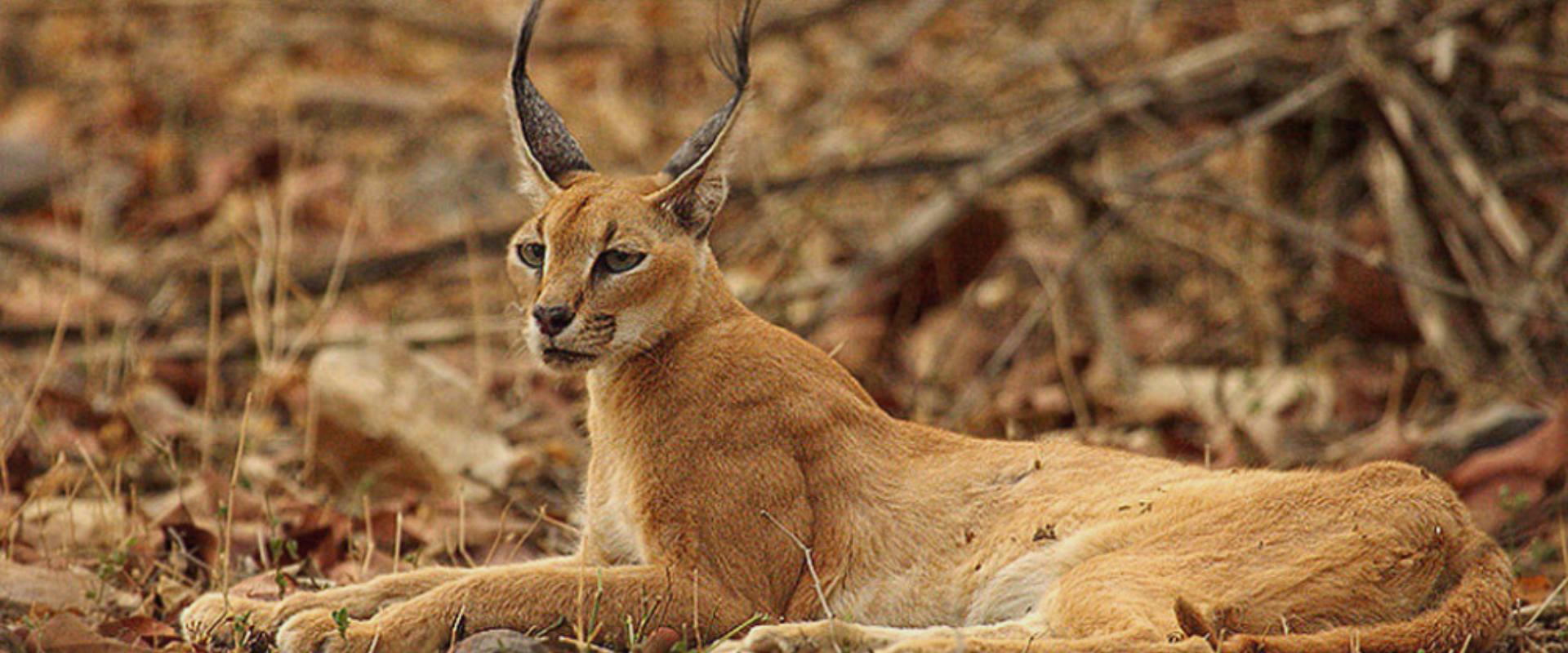
Why Visit Kailadevi Wildlife Sanctuary?
Unlike many commercial wildlife destinations, Kailadevi provides visitors with an opportunity to experience untouched forests, scenic landscapes, and rich biodiversity while supporting sustainable tourism.
Sanctuary Highlights
✔ Northern Extension of Ranthambore Tiger Reserve
✔ Part of Rajasthan’s Tiger Conservation Landscape
✔ Dense Dry Deciduous Forests
✔ Important Wildlife Corridor for Tigers
✔ Excellent Birdwatching Destination
✔ Scenic Hills, Ravines & River Ecosystems
✔ Ideal for Wildlife Photography
✔ Rich Flora & Fauna
About Kailadevi Wildlife Sanctuary
Established in 1983, Kailadevi Wildlife Sanctuary was later incorporated into the expanded Ranthambore Tiger Reserve. The sanctuary plays an important role in maintaining habitat connectivity between Ranthambore and surrounding forest landscapes, helping wildlife move safely across the region. It is also named after the revered Kaila Devi Temple, an important pilgrimage site located within the sanctuary area.
The landscape consists of:
- Rocky Hills
- Deep Gorges (Khos)
- Dry Deciduous Forest
- Seasonal Streams
- Riverine Habitat
- Open Grasslands
These varied habitats support a remarkable diversity of wildlife.
Flora of Kailadevi Wildlife Sanctuary
The sanctuary is dominated by dry deciduous vegetation adapted to Rajasthan’s semi-arid climate.
Major plant species include:
- Dhok (Anogeissus pendula), Khair, Tendu, Ber, Salar, Bamboo (in selected areas), Acacia Species
These forests provide food and shelter for numerous mammals, birds, reptiles, and insects.
Wildlife in Kailadevi Wildlife Sanctuary
The sanctuary supports a healthy population of mammals, reptiles, and birds and functions as an important dispersal area for wildlife from Ranthambore.
Mammals
- Royal Bengal Tiger, Leopard, Sloth Bear, Indian Grey Wolf, Striped Hyena, Golden Jackal, Nilgai, Sambar Deer, Chital, Chinkara, Wild Boar
Birds
More than 200 bird species have been recorded, including:
- Indian Peafowl, Kingfishers, Eagles, Vultures, Sandpipers, Owls, Woodpeckers, Bee-eaters
Reptiles
- Monitor Lizard, Indian Python, Cobra, Various Snake Species
The sanctuary is particularly significant for its population of Indian Grey Wolves and its role in tiger movement across the landscape.
Safari & Nature Experiences
Visitors can enjoy:
- Wildlife Observation, Birdwatching, Nature Photography, Forest Excursions, Landscape Photography, Eco-Tourism Activities
Because Kailadevi is managed primarily for conservation, access and tourism activities are subject to Forest Department regulations.
Best Time to Visit Kailadevi Wildlife Sanctuary
October to Februar:- Pleasant weather, ideal for wildlife observation and birdwatching.
March to June:- Dry conditions improve wildlife visibility near water sources.
Monsoon Season:- The sanctuary becomes lush and scenic, though visitor access may vary depending on weather conditions.
Nearby Attractions
Ranthambore National Park
One of India’s most famous tiger reserves, located directly south of the sanctuary.
Kaila Devi Temple
A major pilgrimage destination that gives the sanctuary its name.
Ranthambore Fort
A UNESCO World Heritage Site overlooking the forests.
Chambal River
Known for boat safaris featuring Gharials, Gangetic Dolphins, and migratory birds.
Karauli
A historic town famous for palaces, temples, and traditional Rajasthani culture.
Conservation Importance
Kailadevi Wildlife Sanctuary is more than a tourism destination—it is a key conservation landscape. It provides habitat connectivity for tigers dispersing from Ranthambore, supports vulnerable species such as the Indian Grey Wolf, and benefits from community-led forest protection initiatives that help reduce illegal tree felling and promote sustainable resource management.
Travel Tips
- Wear comfortable outdoor clothing in earthy colours.
- Carry binoculars and a camera with a telephoto lens.
- Avoid disturbing wildlife.
- Follow Forest Department guidelines.
- Carry drinking water and sun protection.
- Respect local communities and natural habitats.
Plan Your Visit to Kailadevi Wildlife Sanctuary
If you’re looking for an offbeat wildlife destination in Rajasthan, Kailadevi Wildlife Sanctuary offers pristine forests, rich biodiversity, scenic landscapes, and an authentic eco-tourism experience. As an integral part of the Ranthambore Tiger Reserve landscape, it provides visitors with an opportunity to explore one of India’s most important conservation areas while appreciating the natural heritage of Rajasthan.