Mukundara Hills Tiger Reserve – Wildlife, Safari, Best Time to Visit & Travel Guide

Mukundara Hills Tiger Reserve (MHTR) is one of Rajasthan’s important tiger reserves and an emerging destination for wildlife lovers, nature photographers and travellers looking for an authentic wilderness experience near Kota. Spread across Kota, Bundi, Jhalawar and Chittorgarh, the reserve protects a large landscape of forests, hills, valleys and diverse wildlife.

Unlike some of Rajasthan’s more crowded wildlife destinations, Mukundara Hills Tiger Reserve offers a quieter and less-explored wilderness experience. The landscape supports Bengal tigers, leopards, sloth bears, deer, wild boar and numerous bird species, making it an important destination for wildlife and biodiversity conservation.

Planning a wildlife trip to Rajasthan? Discover Mukundara Hills Tiger Reserve for its rugged landscapes, diverse wildlife and unique wilderness experience near Kota.

What Makes Mukundara Hills Tiger Reserve Special?

Mukundara Hills Tiger Reserve is significant because of its combination of tiger conservation, rugged terrain and rich biodiversity. The reserve is located in a landscape of hills and dry forests that creates an ideal setting for exploring Rajasthan’s wildlife.

Its location near Kota also makes it an attractive addition to a Rajasthan travel itinerary. Rajasthan Tourism identifies the reserve as approximately 50 kilometres from Kota and highlights its wildlife and bird diversity.

The reserve is particularly appealing to travellers who want to explore a less-commercialised wildlife destination and experience the natural landscapes of southeastern Rajasthan.

Wildlife in Mukundara Hills Tiger Reserve

The biodiversity of Mukundara Hills Tiger Reserve is one of its biggest attractions. Wildlife enthusiasts may encounter a variety of mammals, birds and reptiles while exploring the region.

Book Safari at Mukundara Hills Tiger Reserve

safari booking

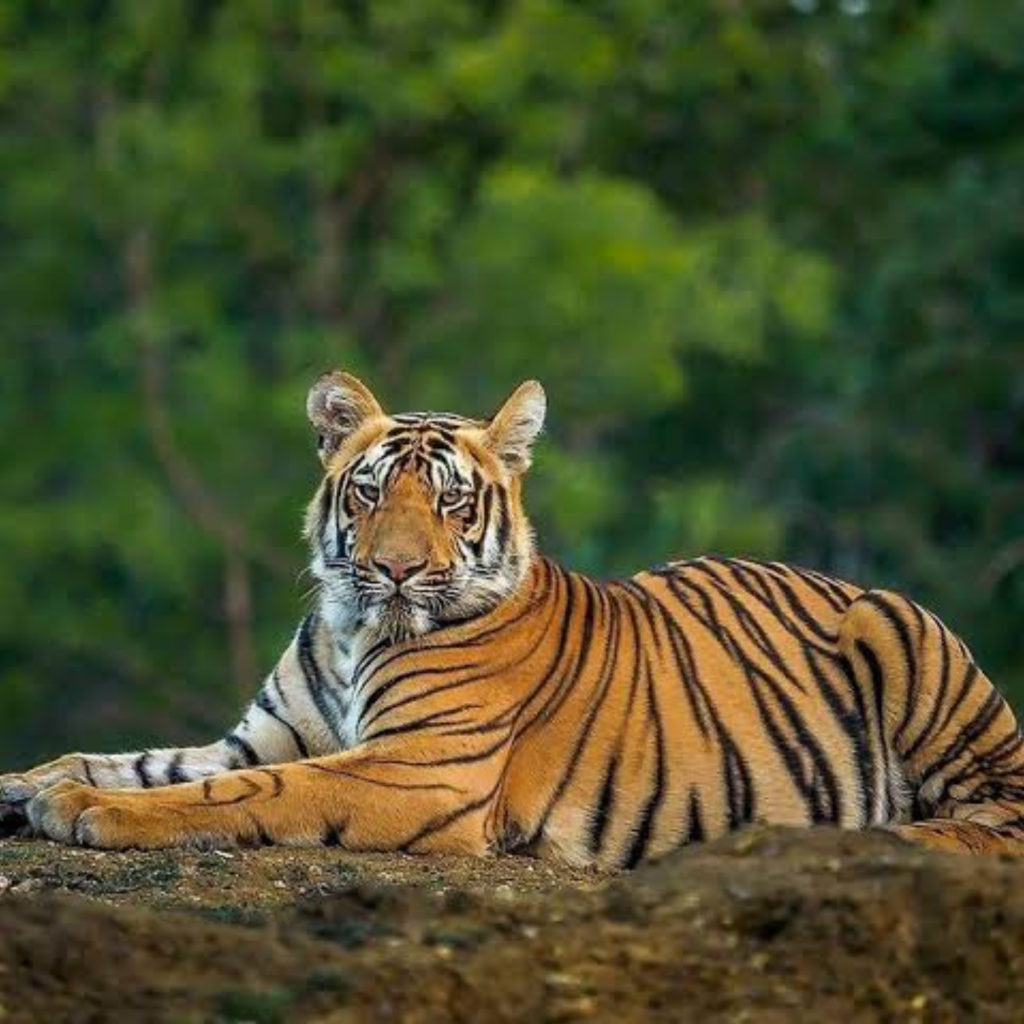
Bengal Tiger

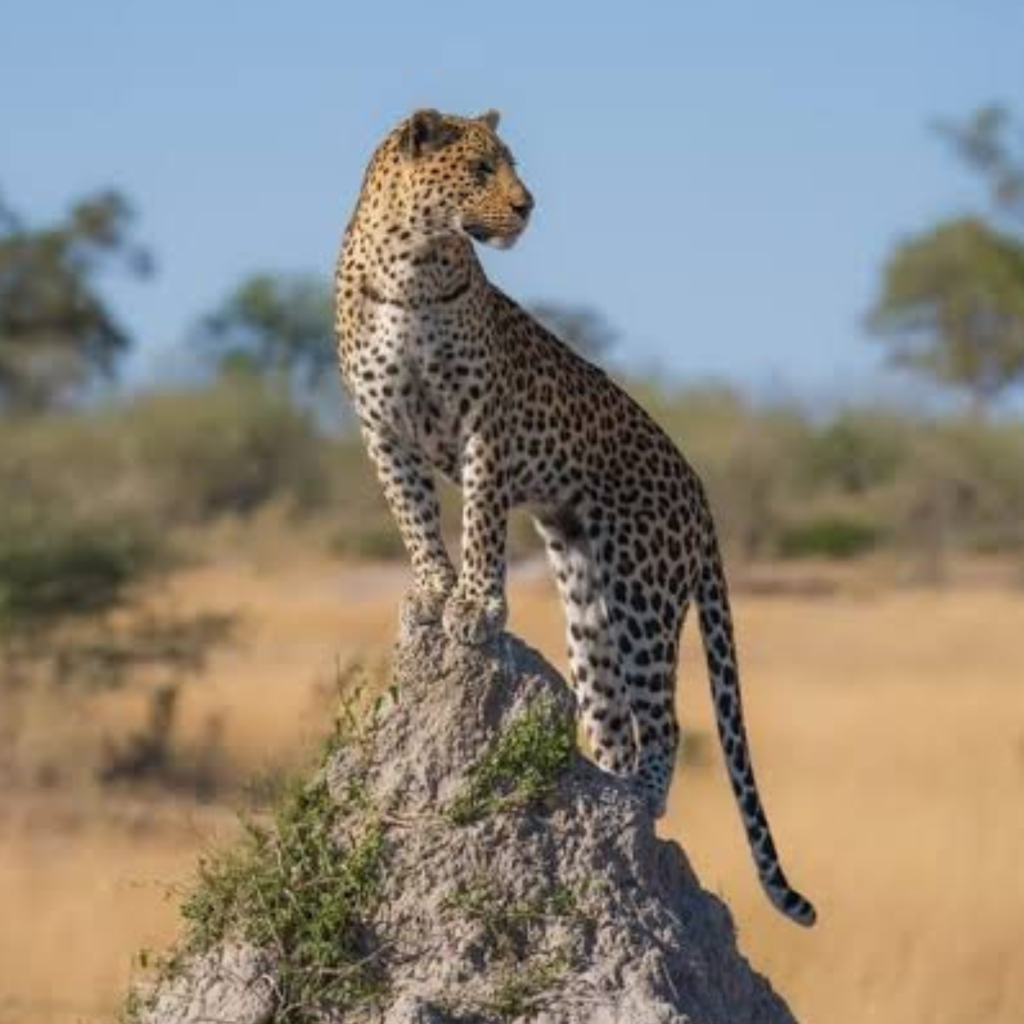
Leopard

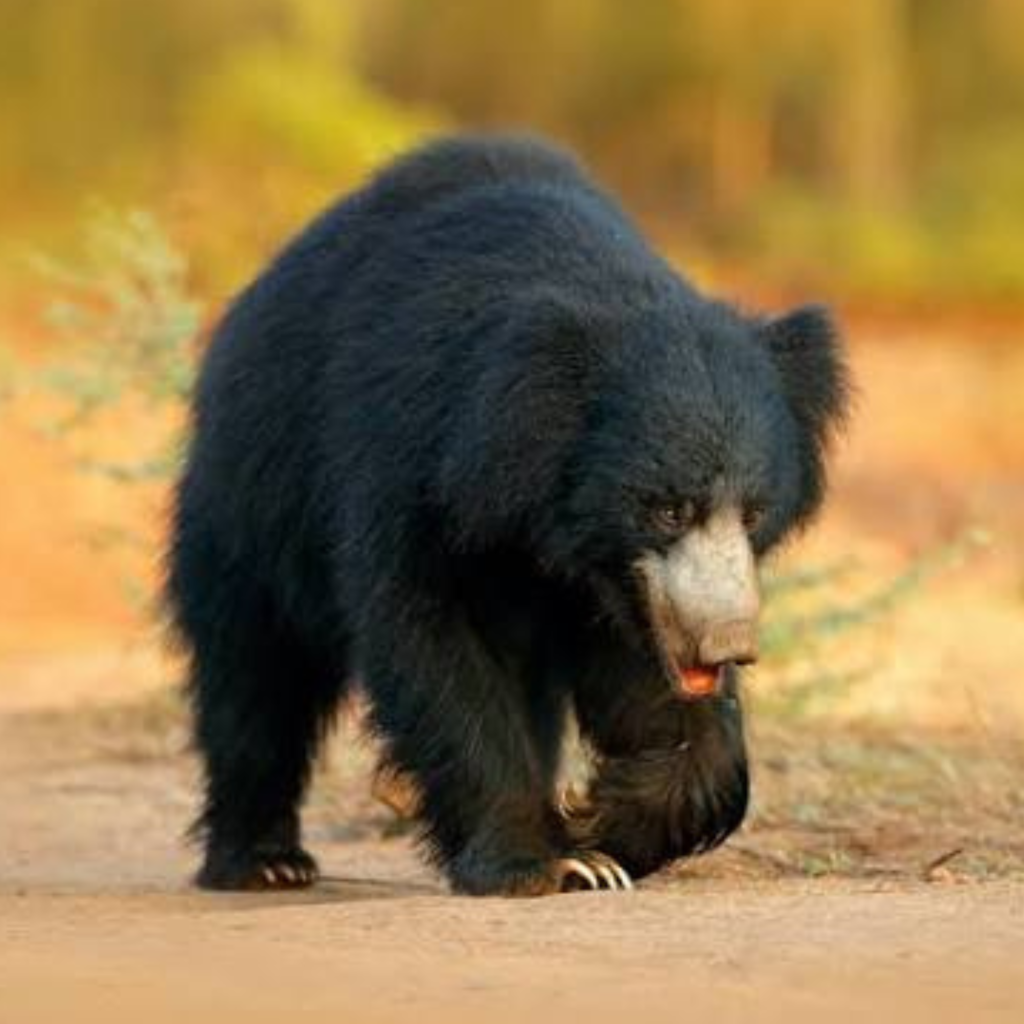
Sloth Bear

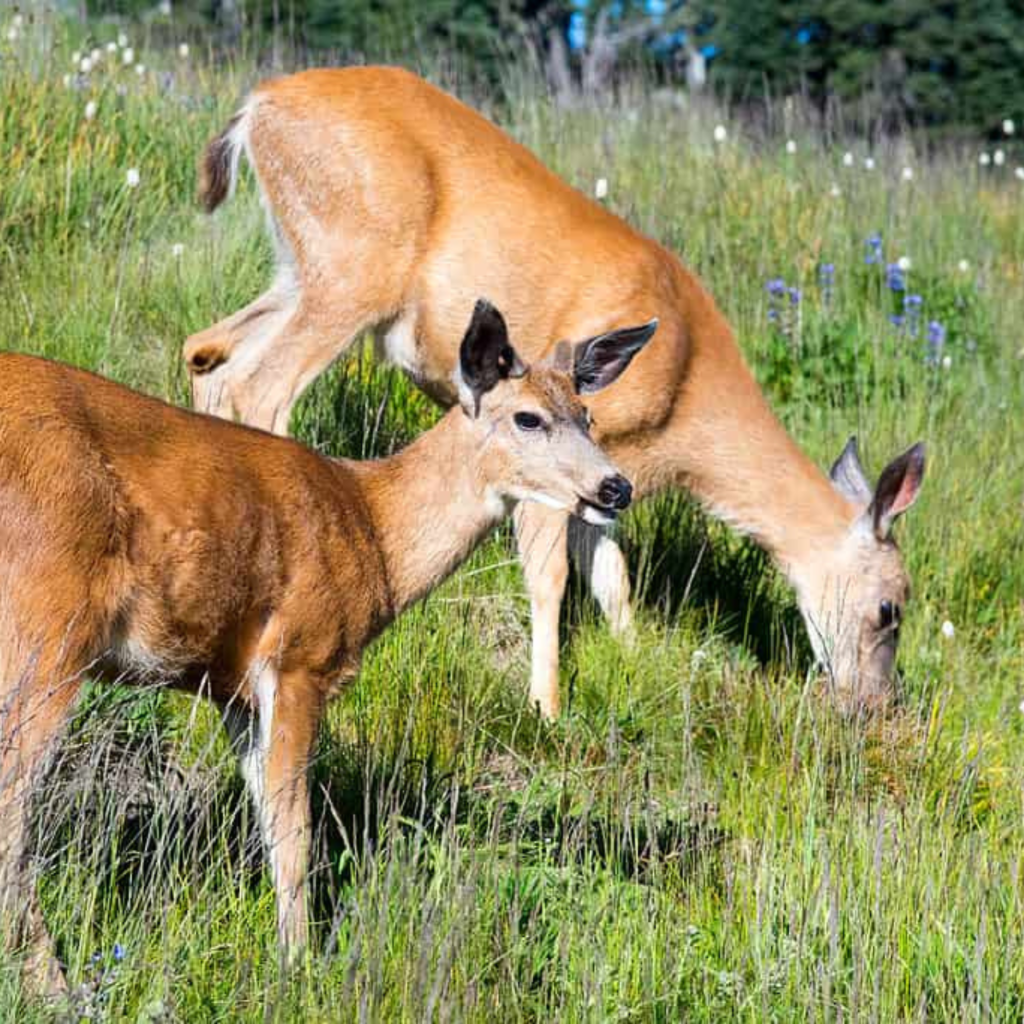
Deer and Other Herbivores

Mukundara Hills Tiger Reserve Safari

A Mukundara Hills Tiger Reserve safari offers visitors an opportunity to experience Rajasthan’s wilderness away from the more heavily visited tourist circuits.

A wildlife safari is not only about finding a tiger. The forests, rocky hills, animal tracks, bird calls, vegetation and changing landscapes are all part of the experience.

For the best experience:

  • Follow all forest department safari regulations.
  • Maintain a safe distance from wildlife.
  • Avoid loud music and unnecessary noise.
  • Do not feed or disturb animals.
  • Follow the instructions of your naturalist or forest guide.
  • Carry binoculars and a camera for wildlife observation.
  • Keep the forest clean and avoid single-use plastic.

Important: Wildlife sightings are unpredictable. A safari should be approached as a nature and wildlife experience rather than a guaranteed tiger-sighting trip.

Best Time to Visit Mukundara Hills Tiger Reserve

The best time to visit Mukundara Hills Tiger Reserve generally depends on your preferred travel experience.

October to March – Comfortable Wildlife Travel

The cooler months are generally more comfortable for travelling and spending time outdoors. This period is suitable for visitors interested in wildlife, photography, birdwatching and exploring the surrounding attractions.

April to June – Hot but Wildlife-Focused

Summer temperatures can be high in Rajasthan. However, dry conditions may make wildlife easier to observe around remaining water sources. Visitors should be prepared for intense heat and follow current forest and safari advisories.

Monsoon – Green Landscapes

The monsoon can transform the surrounding landscape, creating greener scenery and dramatic views. However, visitors should always check the latest tourism and forest department access information before planning a monsoon wildlife trip.

Where Is Mukundara Hills Tiger Reserve Located?

Mukundara Hills Tiger Reserve is located in southeastern Rajasthan and covers parts of Kota, Bundi, Jhalawar and Chittorgarh districts.

Kota is the principal urban gateway for travellers visiting the reserve. Rajasthan Tourism places the reserve approximately 50 km from Kota.

Its location makes it possible to combine a wildlife-focused trip with Kota’s cultural and tourist attractions.

How to Reach Mukundara Hills Tiger Reserve

By Air

Travellers can use Kota Airport for air connectivity, subject to current flight schedules. India’s official tourism portal identifies Kota Airport as the nearest airport for Mukundara Tiger Reserve.

For travellers coming from cities without convenient Kota flights, other major Rajasthan airports can be considered and the remaining journey can be completed by road.

By Train

Kota Junction Railway Station is a major railway station and an important gateway for visitors travelling to the Mukundara region. It has strong rail connectivity with several major Indian cities.

From Kota, travellers can continue by taxi or other local transport depending on the exact safari or entry location.

By Road

Kota is well connected by road with major cities in Rajasthan and neighbouring states. Visitors can reach Kota by private vehicle, taxi or bus and continue towards the appropriate reserve area.

Places to Visit Near Mukundara Hills Tiger Reserve

A trip to Mukundara Hills Tiger Reserve can be combined with several attractions in and around Kota.

Garadia Mahadev

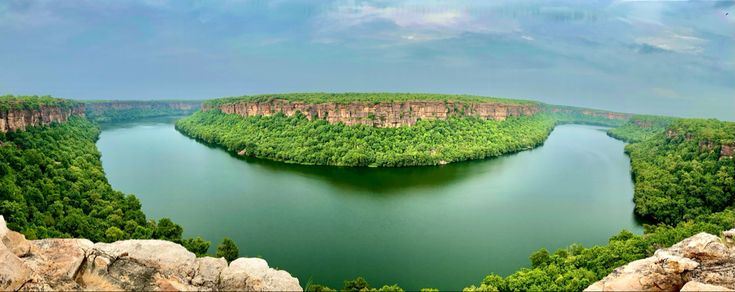
Garadia Mahadev is famous for its spectacular viewpoint overlooking the Chambal River. Rajasthan Tourism describes it as a major scenic attraction near Kota and particularly recommends the location for its dramatic landscape views.

Chambal River

The Chambal River is an important natural feature of the Kota region. Visitors can explore the river landscape and, where available and permitted, experience a Chambal River boat safari.

Rajasthan Tourism notes that the Chambal boat safari can offer views of wildlife including crocodiles and birds while travelling through the rocky river landscape.

Kota

Kota is an excellent base for travellers exploring the region. The city offers attractions, heritage sites, food, markets and access to the surrounding natural areas.

Why Visit Mukundara Hills Tiger Reserve?

There are many reasons to add Mukundara Hills Tiger Reserve to a Rajasthan wildlife itinerary:

  1. Tiger conservation landscape – It is one of Rajasthan’s designated tiger reserves.
  2. Rich biodiversity – The area supports tigers, leopards, bears, deer and diverse birdlife.
  3. Scenic wilderness – Hills, forests, valleys and rocky terrain create a distinctive landscape.
  4. Near Kota – Its proximity to Kota makes it accessible for travellers.
  5. Less-explored destination – It offers an alternative to Rajasthan’s better-known wildlife destinations.
  6. Photography opportunities – The combination of wildlife and dramatic terrain is attractive to photographers.
  7. Nature and birdwatching – The reserve’s varied habitat supports a wide range of birds and other wildlife.

Mukundara Hills Tiger Reserve vs Ranthambore

Both destinations are important wildlife areas in Rajasthan, but they offer different experiences.

Ranthambore is internationally famous for tiger tourism and attracts a large number of wildlife travellers. Mukundara Hills Tiger Reserve, on the other hand, provides an opportunity to explore a comparatively less-explored tiger landscape around the Kota region.

Travellers interested in Rajasthan’s broader wildlife ecosystem can consider visiting both destinations rather than treating them as direct alternatives.

Frequently Asked Questions About Mukundara Hills Tiger Reserve

What is Mukundara Hills Tiger Reserve famous for?

Mukundara Hills Tiger Reserve is famous for its tiger conservation landscape, rugged hills, forests and biodiversity. Wildlife found in the region includes tigers, leopards, sloth bears, deer, wild boar and numerous birds.

Where is Mukundara Hills Tiger Reserve located?

Mukundara Hills Tiger Reserve is located in southeastern Rajasthan and extends across Kota, Bundi, Jhalawar and Chittorgarh districts.

How far is Mukundara Hills Tiger Reserve from Kota?

Rajasthan Tourism states that Mukundara Hills Tiger Reserve is about 50 kilometres from Kota. The actual driving distance can vary depending on the specific entry or tourism location.

What animals are found in Mukundara Hills Tiger Reserve?

Wildlife associated with the reserve includes Bengal tiger, leopard, sloth bear, chital, sambar, wild boar and numerous bird species.

Can I see a tiger in Mukundara Hills Tiger Reserve?

Tiger sightings are possible but never guaranteed in a wild habitat. Wildlife movement depends on season, weather, habitat conditions and many other natural factors.

What is the best time to visit Mukundara Hills Tiger Reserve?

For comfortable wildlife travel, the cooler months from October to March are generally preferable. Summer can be very hot, while the monsoon offers greener landscapes. Always verify current access and safari information before travelling.

How can I reach Mukundara Hills Tiger Reserve?

Kota is the main gateway for many travellers. Visitors can reach Kota by air, train or road and continue towards the relevant reserve area. Kota Junction is an important railway connection, while Kota Airport provides air access subject to current schedules.

Is Mukundara Hills Tiger Reserve good for wildlife photography?

Yes. The reserve’s combination of wildlife, forests, hills, rocky terrain and birdlife can provide excellent opportunities for wildlife and landscape photography.

Is Mukundara Hills Tiger Reserve different from Mukundra Hills National Park?

They are related but should not be treated as identical terms. The Rajasthan Forest Department separately lists Mukundara Hills Tiger Reserve and Mukundra Hills National Park in its protected-area information.

Plan Your Mukundara Hills Wildlife Trip

Whether you are a wildlife enthusiast, photographer, birdwatcher or nature traveller, Mukundara Hills Tiger Reserve offers an opportunity to discover one of Rajasthan’s distinctive wilderness landscapes.

From the possibility of spotting a Bengal tiger to watching birds across forested hills and exploring the dramatic Chambal landscape, the region combines wildlife, nature and adventure in one memorable destination.

If you are planning a Rajasthan wildlife holiday, add Mukundara Hills Tiger Reserve to your itinerary and explore the wild side of southeastern Rajasthan.

Bengal Tiger