Pilibhit Tiger Reserve – Complete Safari Booking, Wildlife & Travel Guide

Discover Pilibhit Tiger Reserve – The Jewel of the Terai Arc Landscape

Pilibhit Tiger Reserve is one of India’s most remarkable wildlife destinations, located in the state of Uttar Pradesh along the India–Nepal border. Declared a Project Tiger Reserve in 2008, it forms an important part of the Terai Arc Landscape, a globally significant conservation region known for its rich biodiversity, dense Sal forests, vast grasslands, wetlands, and perennial rivers. Today, Pilibhit is recognized for its healthy tiger population, thriving ecosystems, and successful conservation efforts.

Whether you are a wildlife enthusiast, photographer, birdwatcher, or family traveler, Pilibhit Tiger Reserve offers an unforgettable jungle experience with exciting safaris, scenic landscapes, and abundant wildlife.

Why Visit Pilibhit Tiger Reserve?

Pilibhit is among the fastest-growing wildlife tourism destinations in North India and offers a perfect blend of conservation, eco-tourism, and adventure.

Highlights

Pilibhit Tiger Reserve

Project Tiger Reserve

Part of the Terai Arc Landscape

Dense Sal Forests & Grasslands

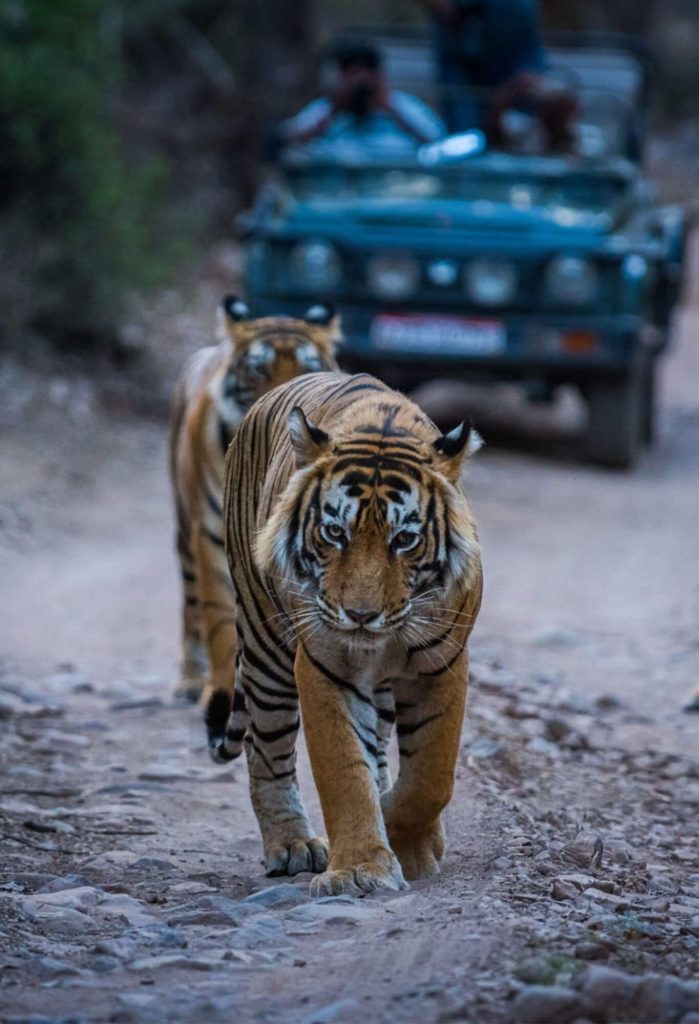
Excellent Tiger Sighting Opportunities

Chuka Eco Tourism Destination

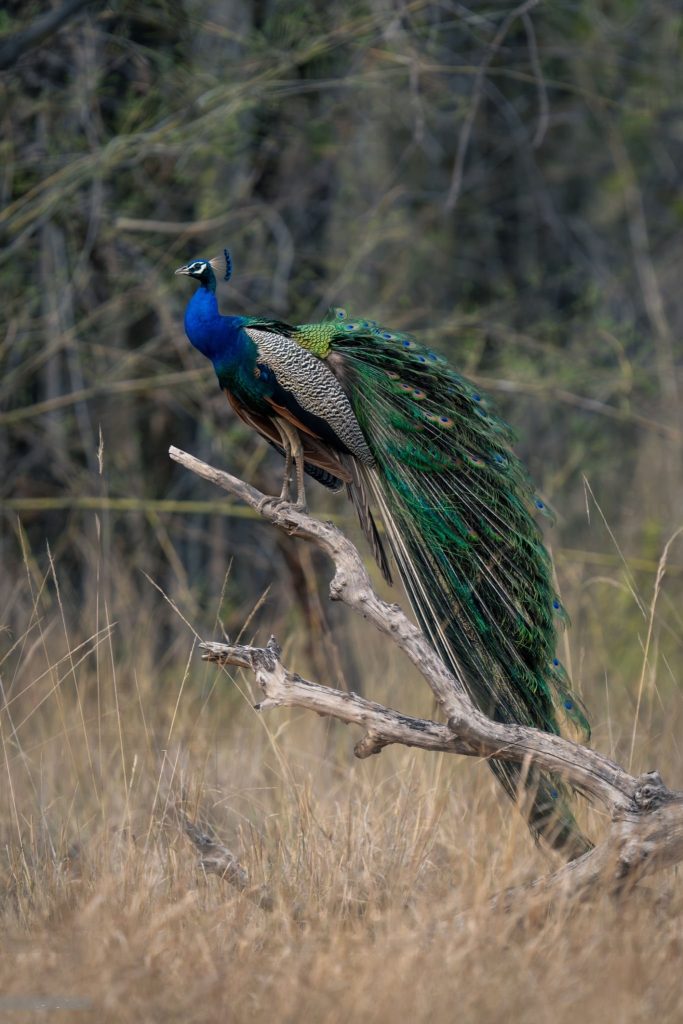
Outstanding Birdwatching

Rich Wetland Ecosystem

Ideal for Wildlife Photography

About Pilibhit Tiger Reserve

Spread across the districts of Pilibhit, Lakhimpur Kheri, and Bahraich, the reserve protects one of the finest Terai ecosystems in India. The landscape includes dense Sal forests, riverine habitats, marshes, grasslands, and wetlands fed by rivers such as the Sharda, Khannot, and Mala. These habitats support an extraordinary diversity of mammals, birds, reptiles, and flowering plants.

Major Habitats

  • Sal Forests
  • Tall Grasslands
  • Riverine Forests
  • Wetlands
  • Marshes
  • Seasonal Streams
  • Floodplains

These diverse habitats make Pilibhit one of India’s most productive wildlife ecosystems.

Pilibhit Safari Booking

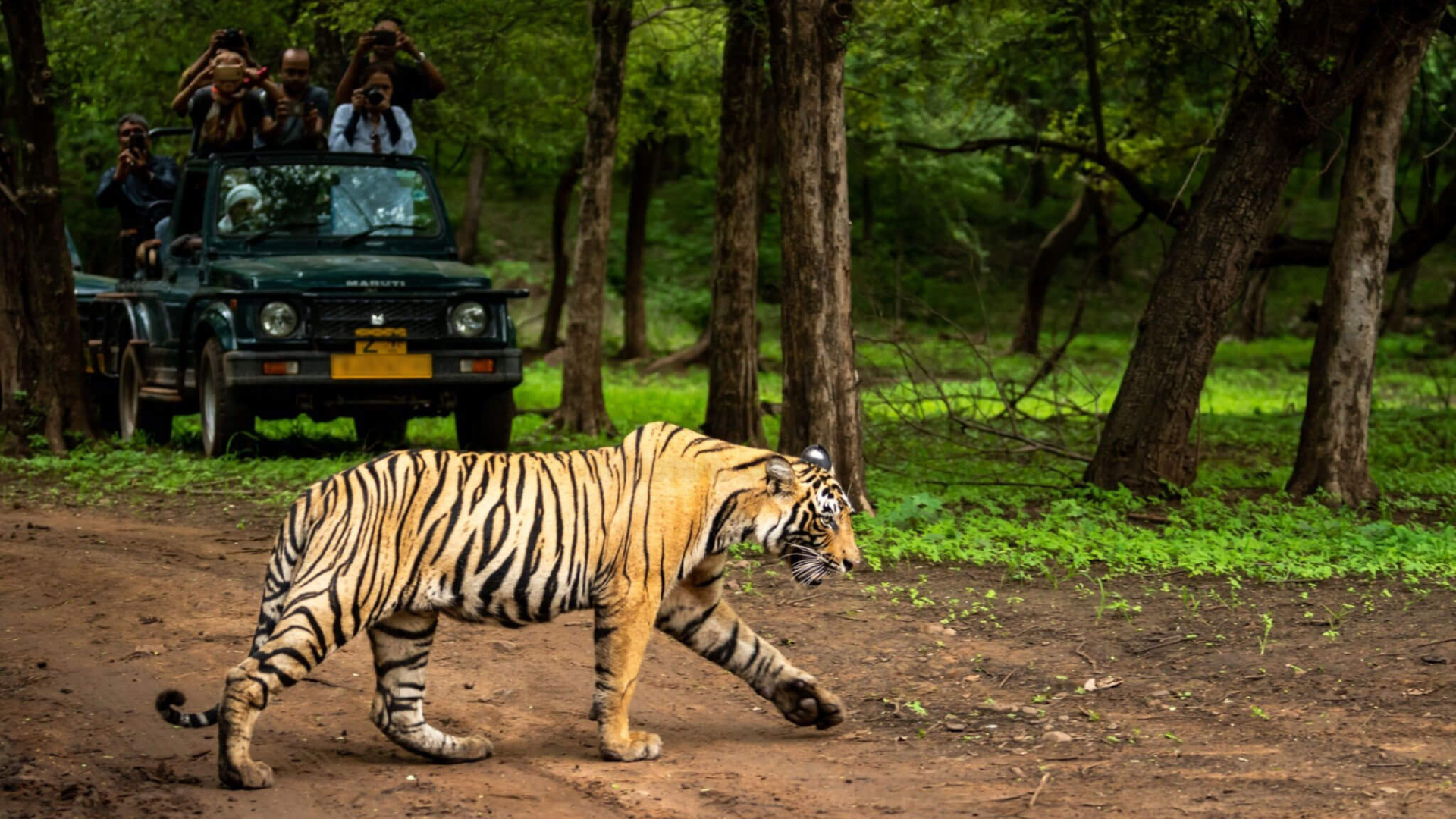
A Pilibhit Jungle Safari is the best way to explore the reserve and observe wildlife in its natural habitat.

Jeep Safari

The most popular safari experience.

Ideal For

Tiger Sightings, Wildlife Photography, Families, Birdwatching, Nature Enthusiasts

Advance booking is recommended because safari permits are limited during the tourism season. Safari timings vary seasonally, with separate morning and afternoon shifts.

Major Safari Attractions

Visitors can explore several well-known eco-tourism locations inside and around the reserve.

Chuka Eco Tourism

One of the most famous attractions featuring forests, reservoirs, nature stays, and birdwatching opportunities.

Mahof Gate

A popular safari entry point for jungle excursions.

Mustafabad Gate

A preferred access point for wildlife enthusiasts.

Barahasingha Taal

Known for scenic wetland landscapes and wildlife.

Birding Point (Jhand Taal)

One of the best places for observing migratory and resident birds.

Wildlife Safri
Bird Watching
Wildlife Photography
Boat & Beach Visit

Book Safari at Pilibhit Tiger Reserve

safari booking

Best Time to Visit Pilibhit Tiger Reserve

November to February

Pleasant weather with excellent conditions for birdwatching and family safaris.

March to June

One of the best periods for tiger sightings as wildlife gathers around water sources.

The reserve generally remains open during the tourism season from November through mid-June, subject to forest department notifications.

Conservation Importance

Pilibhit Tiger Reserve plays a crucial role in conserving the Terai Arc Landscape, one of Asia’s most important tiger habitats. It provides connectivity with other protected forests, helping maintain genetic diversity and allowing tigers and other wildlife to move across the landscape. The reserve is also important for conserving grassland ecosystems, wetlands, and threatened species.

Travel Tips

  • Reserve safari permits in advance.
  • Carry a valid government-issued photo ID.
  • Wear earth-toned clothing.
  • Bring binoculars and a telephoto camera.
  • Follow instructions from forest guides.
  • Avoid making loud noises during the safari.
  • Respect wildlife and protected habitats.

Frequently Asked Questions

Why is Pilibhit Tiger Reserve famous?

It is famous for its thriving tiger population, Terai ecosystem, Sal forests, Chuka Eco Tourism, and rich birdlife.

What animals can be seen in Pilibhit Tiger Reserve?

Visitors may see Tigers, Leopards, Swamp Deer, Hog Deer, Sambar, Chital, Wild Boar, Nilgai, Crocodiles, and hundreds of bird species.

What is the best time to visit Pilibhit Tiger Reserve?

November to June is generally considered the best tourism season, with March to June offering particularly good wildlife viewing opportunities.

Is Chuka Eco Tourism inside Pilibhit Tiger Reserve?

Yes. Chuka is one of the reserve’s best-known eco-tourism destinations and is popular for nature stays, birdwatching, and jungle experiences.

How can I book a Pilibhit Safari?

Visitors can book safari permits through the authorized eco-tourism booking system and designated booking centres, subject to availability.


Plan Your Pilibhit Tiger Reserve Adventure

If you’re looking for an offbeat wildlife destination with excellent tiger habitat, beautiful forests, and outstanding biodiversity, Pilibhit Tiger Reserve is an exceptional choice. From thrilling jungle safaris and birdwatching to eco-tourism experiences at Chuka, every visit offers a deeper appreciation of the unique Terai wilderness.

Book your Pilibhit Tiger Reserve Safari and explore one of North India’s most exciting wildlife destinations.