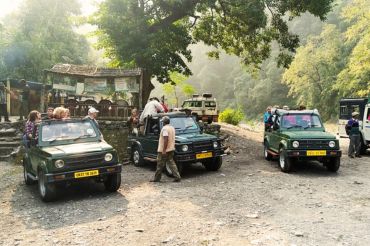
rajaji national park

Rajaji National Park – Complete Safari Booking, Wildlife & Travel Guide

Discover Rajaji National Park – Uttarakhand’s Premier Tiger Reserve

Rajaji National Park is one of North India’s most spectacular wildlife destinations, located across the districts of Haridwar, Dehradun, and Pauri Garhwal in Uttarakhand. Covering more than 820 square kilometres, the park forms the core of the Rajaji Tiger Reserve and is part of the ecologically significant Shivalik Elephant Reserve. It is internationally known for its thriving population of Asian Elephants, Royal Bengal Tigers, Leopards, and more than 300 bird species, making it one of the finest destinations for wildlife tourism in India.

Nestled in the foothills of the Himalayas, Rajaji offers an extraordinary mix of Sal forests, river valleys, grasslands, and riverine ecosystems. Whether you’re planning a family holiday, a wildlife photography tour, a birdwatching expedition, or an adventurous jungle safari, Rajaji National Park promises an unforgettable experience.

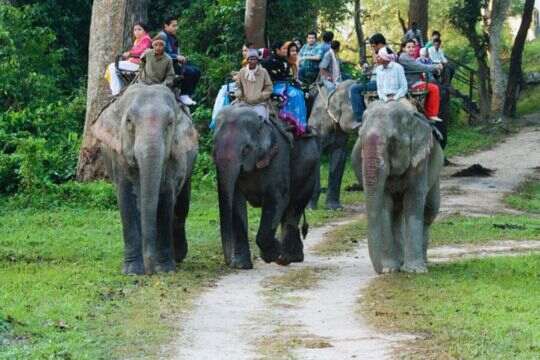
Elephant Safari in Rajaji

Join an Elephant Safari in Rajaji National Park for a fun adventure! Ride on elephants as you explore the beautiful forests, grasslands, and rivers. Look out for deer, leopards, wild boars, and colorful birds along the way. This safari lets you see elephants in their natural home while helping conservation efforts.

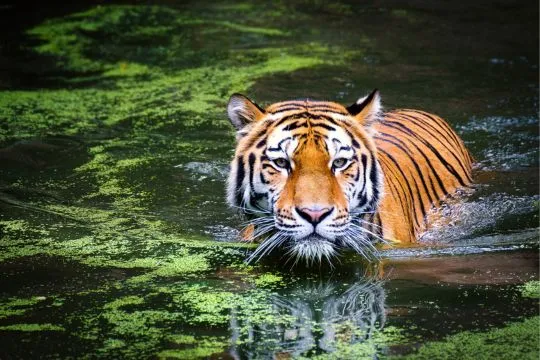
Tiger Safari in Rishikesh

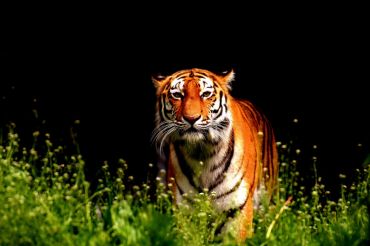
Tiger safari in Rishikesh is an exciting way to see the amazing Bengal tiger. Visitors may enjoy a Jeep safari or take a nature walk through meadows and dense forests. Visitors may enjoy a Jeep safari or take a nature hike via meadows and dense forests. The safari offers you to explore the wildlife surrounded by beautiful forests and a variety of animals.

Why Visit Rajaji National Park?

The park is one of India’s best wildlife reserves and offers a perfect blend of biodiversity, scenic beauty, and eco-tourism.

Highlights

Rajaji Tiger Reserve

Project Tiger Conservation Area

Largest Elephant Habitat in North India

Jeep Safari Experience

Five Safari Tourism Zones

Excellent Birdwatching Destination

River Ganga & Shivalik Landscape

Ideal for Wildlife Photography

Rich Flora & Fauna

About Rajaji National Park

Established by merging Rajaji, Motichur, and Chilla Wildlife Sanctuaries, Rajaji National Park has become one of India’s most important protected landscapes. It was later declared a Tiger Reserve under Project Tiger, strengthening conservation efforts for large carnivores and elephants. The park serves as an important wildlife corridor connecting the forests of Uttarakhand and supports one of the country’s largest elephant populations.

Major Habitats

  • Dense Sal Forests
  • Riverine Forests
  • Grasslands
  • Dry Deciduous Forests
  • Himalayan Foothill Ecosystems
  • Seasonal Streams
  • Ganga River Corridor

These diverse ecosystems support an extraordinary variety of wildlife throughout the year.

Rajaji National Park Safari Booking

Booking a Rajaji National Park Safari is the best way to experience its incredible biodiversity.

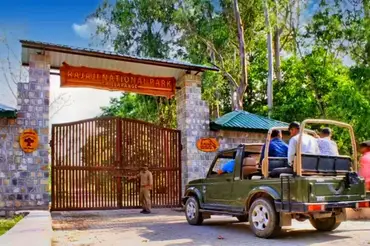
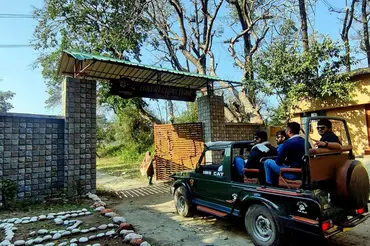
Jeep Safari

The most popular safari option for visitors.

Ideal For

  • Tiger Tracking
  • Elephant Sightings
  • Wildlife Photography
  • Birdwatching
  • Family Tours

Advance booking is highly recommended, especially during weekends and peak wildlife tourism seasons.

Best Time to Visit Rajaji National Park

November to February

Cool weather, pleasant safaris, and excellent birdwatching opportunities.

March to April

Comfortable temperatures and active wildlife movement.

May to June

One of the best seasons for tiger and elephant sightings as animals gather around water sources.

The park generally remains open from mid-November to mid-June, while most tourism activities pause during the monsoon season.

Flora and Fauna in Rajaji

Rajaji National Park in Northern India is a wonderful place with diverse plants and animals. It is home to many different species, some of which are endangered. The park has different ecosystems, such as forests, grasslands, and river areas, which provide important habitats for plants and animals. Here’s a simple look at the flora and fauna.

Wildlife Flora:- Rajaji features a rich variety of plants, including dense forests, grasslands, and riverbank vegetation. The forests are primarily filled with sal trees, along with teak, semal, rohini, and acacia trees. Many local medicinal plants grow here, used by the surrounding communities. The tall grass provides food for animals like deer, while the riverside plants give lush and green scenery.

Wildlife Fauna:- Rajaji is a perfect spot for watching wildlife and migratory birds. It is home to more than 500 elephants, 12 tigers, 250 panthers, and over 400 bird species. It includes spotted deer, sambhar, wild boar, barking deer, swamp deer, and goral.

The park also has monitor lizards, Himalayan Black bears, wild boars, and monkeys such as langurs, macaques, and rhesus. Rajaji is known for its variety of reptiles including king cobras, Indian pythons, and several smaller snakes that can be found hiding in the thick forest areas.

How to Book a Jungle Safari in Rajaji?

Booking a Rajaji National Park jungle safari is an exciting way to explore the wildlife sanctuary. Booking online is easy and make you ensure your spot in advance.

  • Pick a Safari Zone: Choose a zone based on your interest
  • Choose Safari Type: Decide between Jeep Safari or Canter Safari
  • Book Online: Go our Rajaji National Park website or a simply call us
  • Choose Safari date Choose a safari date and make the booking in advance during peak season.
  • Check Safari Timings: Morning Safari at 6am and evening safari at 3pm
  • Fill Form: Fill up the online booking form with your details.
  • Make Payment: To make an online payment and save your payment confirmation.

Rajaji Safari Zones

Rajaji National Park is renowned for its diverse wildlife and beautiful landscapes. It is divided into six jungle safari zones that have been open since 15 November 2020, offering their own unique experiences:

 
Chilla Range Jungle Safari

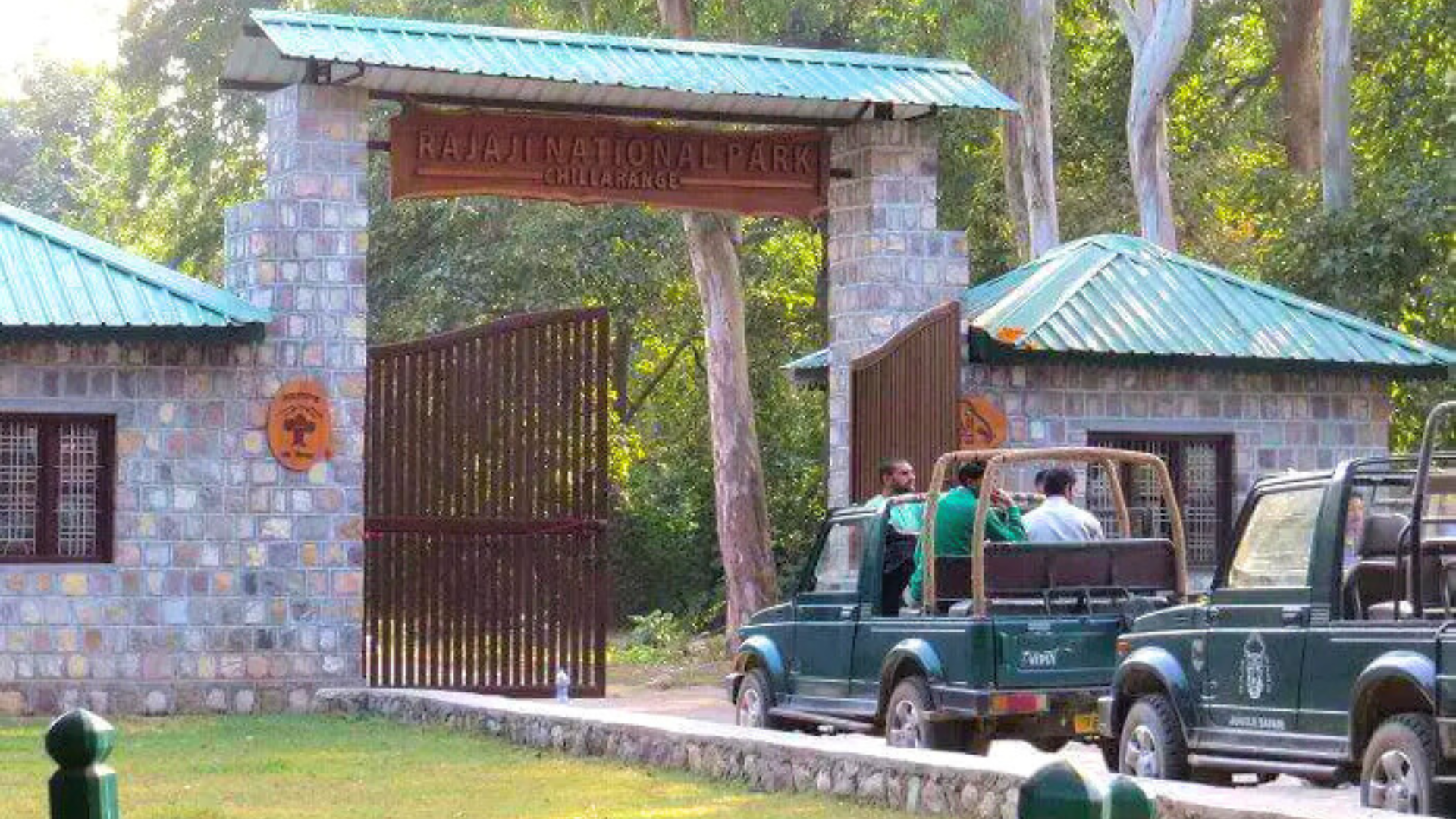
The Chilla Jungle Safari Range in Rajaji National Park Haridwar covers Mandal, Mithawali, and Khara and offers a Jeep Safari ride of 2.5 to 3 hours. The Ganga River flows through the park from Bairaaj to Chilla. It passes Rishikesh, Lakshman Jhulla, and Ram Jhulla ending at Har Ki Paudi. The Chilla Range safari open from November 15 to June 15 each year.

Mohand Range Jungle Safari

The Mohand Range Jungle Safari in Rajaji National Park Dehradun, is an exciting wildlife safari. It takes you through dense forests, where you can spot tigers, deer, and many bird species. It’s a perfect spot for nature lovers and offers opportunities for wildlife photography and birdwatching. The safari covers a distance of about 25 – 30 km and typically lasts 2-2.5 hours.

Ranipur Range Jungle Safari

The Ranipur Range Jungle Safari in Haridwar explores the forests of Rajaji Known for its rich biodiversity. The safari of the Ranipur range is about 25 km. Tourists have a chance to see Spotted Deer, Sambhar Deer, Nilgai, Barking Deer, and Leopards. Small hills and grasslands surround the forest of Ranipur Range. Many species of Owl are seen in the forest.

Jhilmil Range Jungle Safari

Explore the Buffer Zone of Jhilmil Range Jungle Safari in Rajaji to see the wonders of nature. This safari takes you through beautiful forests where you can see amazing wildlife like elephants, leopards, and many colorful birds. The best times to go are early morning or late afternoon when animals are most active. Jhilmil Jheel Safari is a fun adventure for families and friends.

Motichur Range Jungle Safari

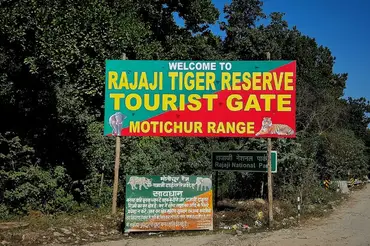
Start an unforgettable adventure with the Motichur Range Jungle Safari in Rajaji Park, where nature’s beauty and thrilling wildlife encounters await. The Motichoor Range gate is near Motichoor village in Haridwar. The park is filled with forest and is a 24 km ride from Asarori via Charing Cross. The journey is great due to the tall sal trees and serene riverbanks.

Gohri Range Jungle Safari

The Gohri Range Jungle Safari takes you on guided tours their you can spot animals like elephants and leopards in their natural habitat. The Song River flows via the Rajaji near Dehradun district. It starts from Doiwala, Bhaniyawala, and crosses Chidderwala it finally joins the Ganga River. The Gohri Range is the only range that is is open throughout the year.

Things to pack for a jungle safari in Rishikesh

Tips for jungle safari in Rajaji, Here are the things to prepared for the outdoors and varying weather conditions.

  • Clothes: Wear light, comfortable clothes in neutral colors, like cotton shirts and pants. Bring a light jacket for cooler mornings and evenings.
  • Shoes: Pack strong, comfy shoes with a good grip for walking on rough paths.
  • Sun Protection: Take a hat, sunglasses, and sunscreen to protect yourself from the sun.
  • Insect Repellent: Use an insect repellent to avoid mosquito bites.
  • Binoculars and Camera: Don’t forget to pack these for spotting and capturing wildlife.
  • Water Bottle: Keep a water bottle to stay hydrated.
  • First-Aid Kit: Carry basic medical supplies like bandages, antiseptics, and medicines.
  • Torch/Flashlight: Handy for early morning or evening safaris.

Book Safari at Rajaji Tiger Reserve

safari booking

Frequently Asked Questions

Why is Rajaji National Park famous?

It is famous for its Asian Elephant population, Rajaji Tiger Reserve, jeep safaris, rich biodiversity, and scenic Himalayan foothill landscapes.

Which safari zone is best in Rajaji National Park?

Chilla Zone is the most popular for tiger and elephant sightings, while Motichur is excellent for birdwatching and Jhilmil Jheel is ideal for wetlands and Barasingha.

What animals can be seen in Rajaji National Park?

Visitors may encounter Tigers, Asian Elephants, Leopards, Sloth Bears, Goral, Deer species, Crocodiles, and more than 300 bird species.

What is the best time to visit Rajaji National Park?

The best time is November to June, with winter offering pleasant weather and summer providing better wildlife visibility.

How can I book a Rajaji National Park Safari?

Visitors can reserve safari permits through authorized booking platforms or registered tour operators, subject to availability.